Anthracene impurities and related standards
Anthracene at 178.2 is small; C14H10, three rings, every one aromatic, and no second functional group beyond the ring system. The groups are what matter. No hydrogen-bond donor and 0 acceptors give a polar surface area of 0.0, which is where any method starts.
No obvious reactive handle means the profile is decided by the route rather than by storage. Positional isomers are the quiet variant here: same formula, similar mass, and retention that can land on either side of the parent. The families to expect are process-related, storage-related and isomeric, and only the middle one responds to a stability programme.
A photodiode array cannot tell two co-eluting isomers apart, so the assignment rests on the mass spectrum and on the fragments it gives. Three aromatic rings mean the chromophore is the easy part; the hard part is that every analogue absorbs just as strongly. Nothing ionises under normal conditions, so the separation has to be bought with the gradient rather than with pH. A polar surface area of 0.0 means lipophilicity dominates, and the compound sits late in the gradient with its close analogues.
A structure outside the catalogue can still be quoted from the drawing, and it is released on the same terms: milligram to gram, CoA with the spectra.
45 reference standards related to Anthracene held in the RSSE catalogue — pharmacopoeial impurities, non-compendial impurities, metabolites and labelled analogues where available.
In this group: 19 fine chemicals · 12 stable isotope labelled standards · 6 pharmaceutical intermediates · 4 multi-component standards. CAS numbers are listed for 45 of 45; 45 entries carry a structure drawing.
On this page
45 reference standards
All entries — structure, identifiers and pack sizes

Anthracene
IN STOCKRS-U003102
1,3,6,8-tetrahydroxy-9,10-dioxo-9,10-dihydroanthracene-2-carboxylic acid
IN STOCKRS-A150031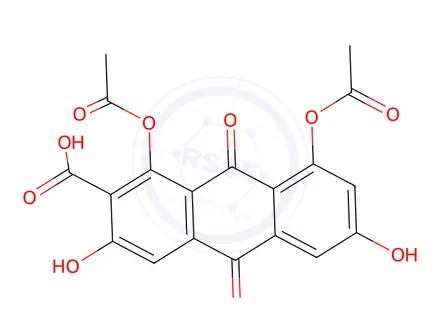
1,8-diacetoxy-9,10-dihydro-3,6-dihydroxy-9,10-dioxoanthracene-2-carboxylicacid
BACK ORDERRS-A150032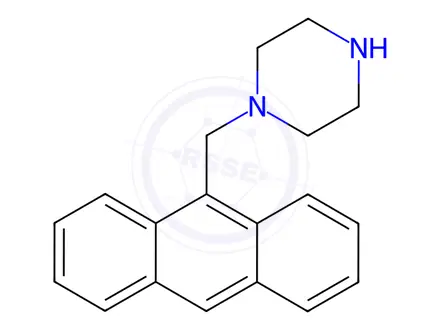
1-(9-Anthracenylmethyl)piperazine
IN STOCKRS-D003131
1-Hydroxybenz[a]anthracene
IN STOCKRS-A150002
12-Methylbenz[a]anthracene-d14
IN STOCKRS-A150011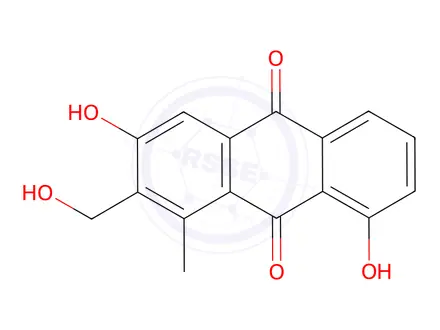
3,8-dihydroxy-2-(hydroxymethyl)-1-methylanthracene-9,10-dione
IN STOCKRS-A150035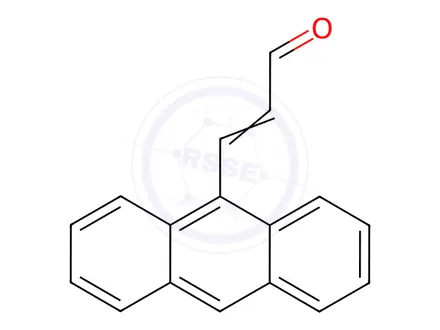
3-(9-Anthryl)acrolein (Anthacrolein)
IN STOCKRS-U003287
4-Methylbenz[a]anthracene-d3
IN STOCKRS-A150010
6-Methylbenz[a]anthracene-d14
CUSTOM SYNTHESISRS-A150009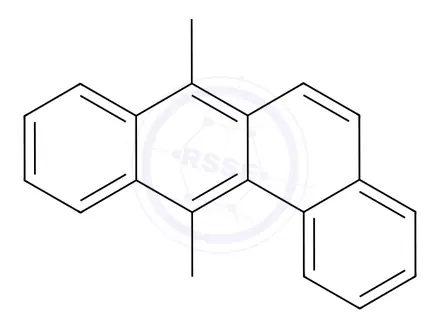
7,12-Dimethylbenz(a)anthrecene
IN STOCKRS-U004562
8-Methylbenz[a]anthracene-d14
IN STOCKRS-A150008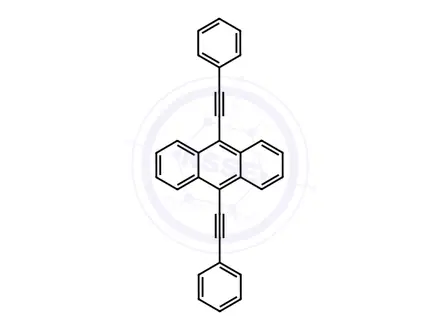
9,10-Bis(phenyethynyl)anthracene
CUSTOM SYNTHESISRS-A150018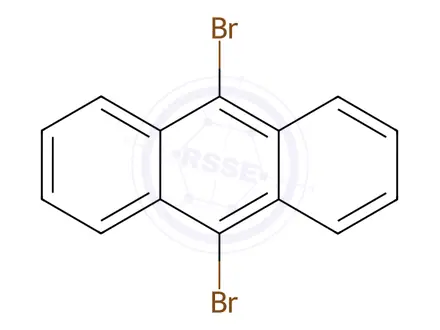
9,10-Dibromoanthracene
IN STOCKRS-A150017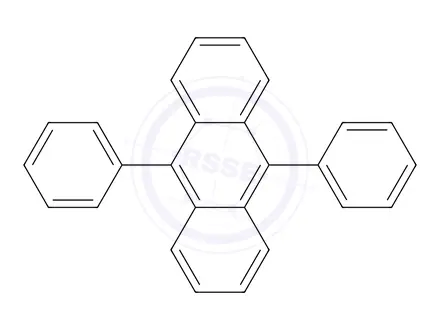
9,10-Diphenylanthracene
IN STOCKRS-F001021
9-Acetylanthracene
IN STOCKRS-U078435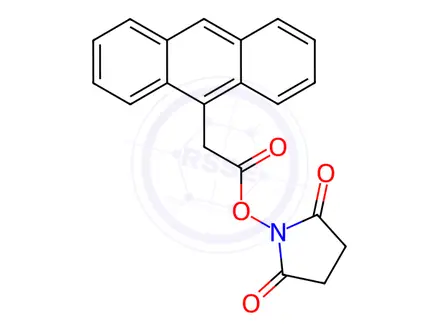
9-Anthraceneacetic Acid 2,5-Dioxo-1-pyrrolidinyl Ester
IN STOCKRS-A150003
9-Bromo-10-phenylanthracene
CUSTOM SYNTHESISRS-A150012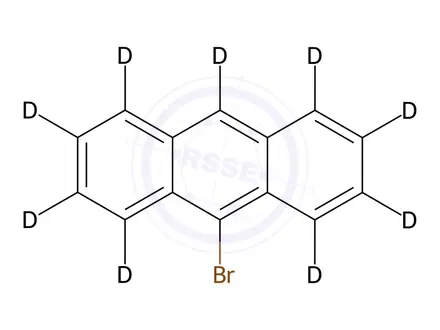
9-Bromoanthracene-d9
IN STOCKRS-I096233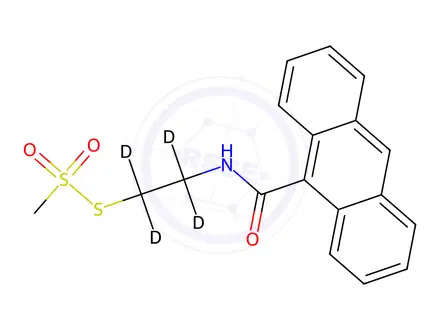
9-Carboxyanthracene MTSEA Amide-d4
IN STOCKRS-A150005
Acenaphth[1,2-a]anthracene-d14
IN STOCKRS-A150036
Acenaphth[1,2-b]anthracene-d14
CUSTOM SYNTHESISRS-A150037
Anthracene 9,10-dipropionate Disodium Salt
IN STOCKRS-A150027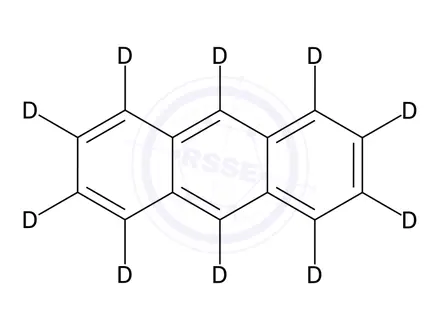
Anthracene D10
IN STOCKRS-I003116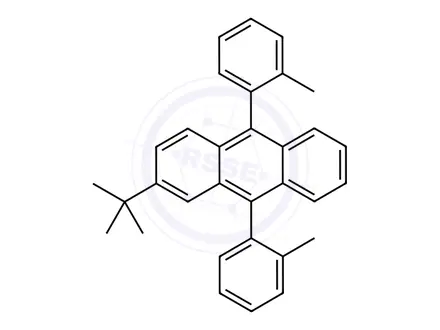
Anthracene, 2-(1,1-dimethylethyl)-9,10-bis(2-methylphenyl)-
BACK ORDERRS-A150019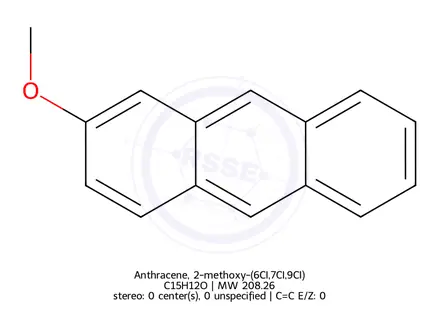
Anthracene, 2-methoxy-(6CI,7CI,9CI)
IN STOCKRS-A150030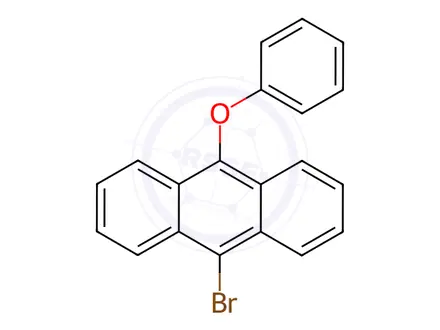
Anthracene, 9-bromo-10-phenoxy-
BACK ORDERRS-A150021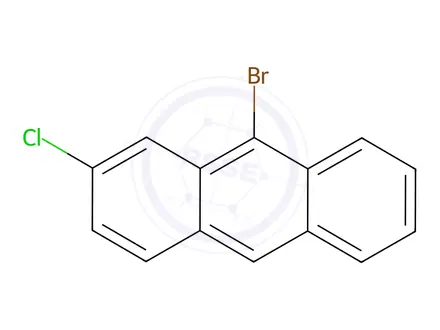
Anthracene, 9-bromo-2-chloro-
BACK ORDERRS-A150022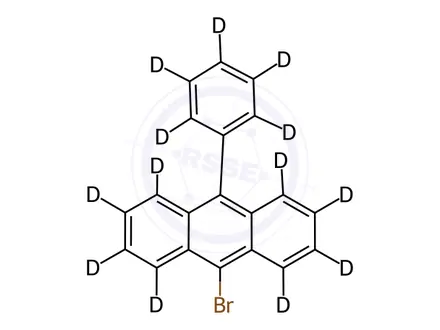
Anthracene-1,2,3,4,5,6,7,8-d8, 9-bromo-10-(phenyl-2,3,4,5,6-d5)-
CUSTOM SYNTHESISRS-A150023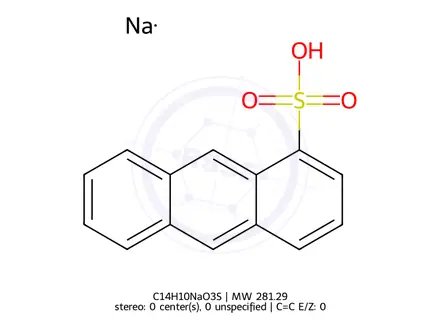
Anthracene-1-sulfonic acid sodium salt
BACK ORDERRS-A150029
Anthracene-13C6
BACK ORDERRS-A150014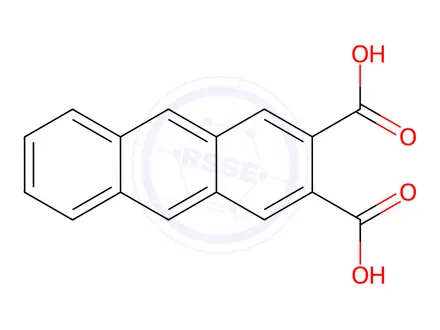
Anthracene-2,3-dicarboxylic acid
IN STOCKRS-U211LA2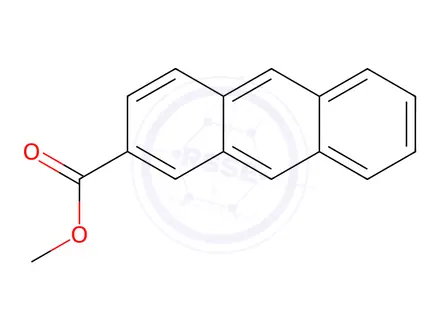
Anthracene-2-carboxylic acid methyl ester
BACK ORDERRS-A150024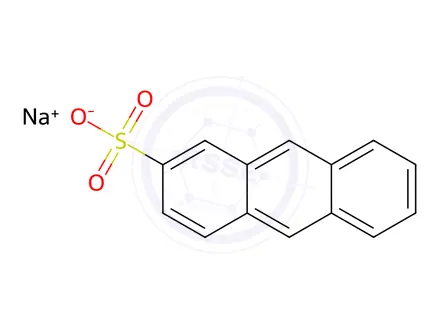
Anthracene-2-sulfonic acid sodium salt
BACK ORDERRS-A150025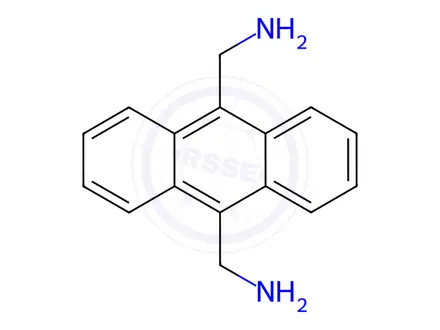
Anthracene-9,10-dimethanamine
IN STOCKRS-A150020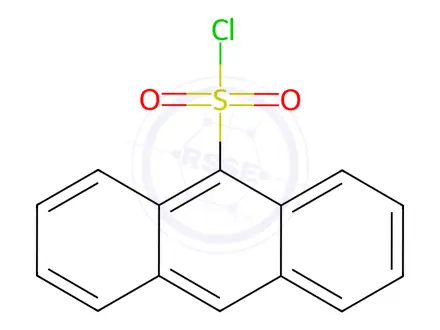
Anthracene-9-sulfonyl chloride
BACK ORDERRS-A150026
Benz[a]anthracene-1r,2c,3t,4c-tetrahydro-1,2,3,4-tetrol
IN STOCKRS-A150013
Benz[a]anthracene-7-acetic Acid
IN STOCKRS-A150015
Benz[a]anthracene-7-acetic Acid Methyl Ester
IN STOCKRS-A150016
Benz[a]anthracene-7-methanol-13C
CUSTOM SYNTHESISRS-A150007
Benz[a]anthracene-7-methanol-13C 7-Acetate
IN STOCKRS-A150006
Benzo(a)anthracene
CUSTOM SYNTHESISRS-U005367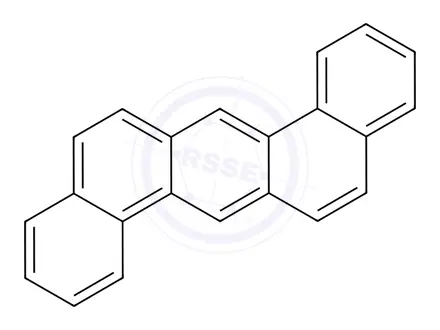
Dibenzo(a,h)anthracene
CUSTOM SYNTHESISRS-U004537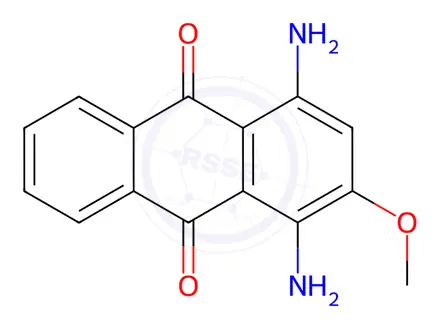
Disperse Red 11
IN STOCKRS-A150001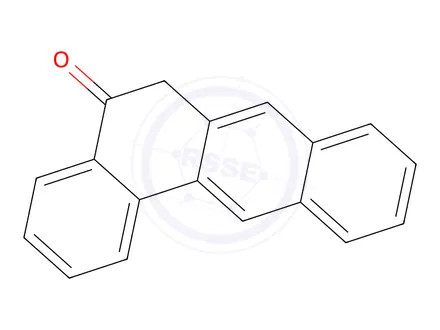
Tetraphen-5(6H)-One
CUSTOM SYNTHESISRS-U046555
45 reference standards
Further entries held for Anthracene
8 entries are held in the catalogue without a structure drawing. Each carries a catalogue number and, where one has been assigned, a CAS number; packing, documentation and price are quoted on enquiry.
- 1-bromoanthracene-D9
- 9,10-Diphenyl anthracene-d18
- Anthracene Impurities and Related Compound
- Anthracene Impurity 1
- Anthracene Impurity 2
- Anthracene, 1-bromo-9,10-dihydro-9,9,10,10-tetramethyl-
- Anthracene, 9-bromo-10-(1,1-dimethylethyl)-
- Benz[a]anthracene-13C6
Frequently asked
How many Anthracene-related reference standards do you hold?
Can you supply an Anthracene impurity that is not listed here?
What documentation is supplied with Anthracene impurities?
Do you publish prices or a lead time for Anthracene impurities?
Cannot find the impurity you need? Non-compendial impurities can be quoted from a structure — a CAS number is not required. Write to sales@rssechem.com.